

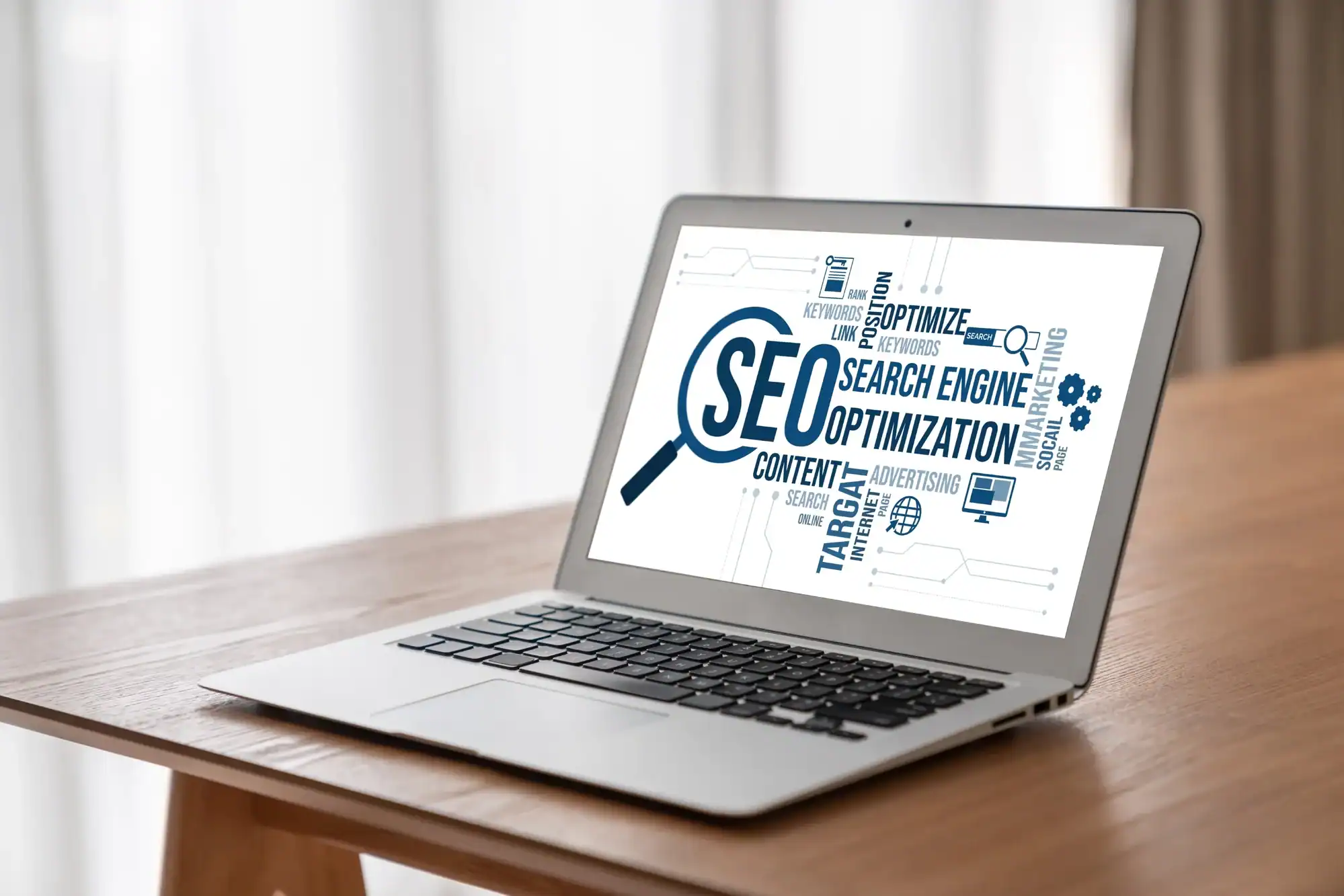
At PA Graphics, we often meet business owners who put a lot of time and money into their websites but still struggle to appear on search results. The site might look beautiful, the content might read well, but something quietly holds it back, small but costly SEO mistakes.
These mistakes are easy to overlook because they’re not always technical. They’re usually about how your site communicates, performs, and connects with your audience. Let’s go through the most common ones and what you can do about them.
1. Ignoring Basic On-Page SEO
Many websites go live without proper on-page setup. That means missing page titles, unclear headings, and no proper meta descriptions. These small details tell search engines what your page is about. Without them, your content has less chance of being found.
What this really means is, every page on your site should have a clear title that reflects what the page offers. A page about your logo design service should say exactly that, not something vague like “Our Work.” The same goes for meta descriptions, they should describe what people will find on that page and encourage them to click.
At PA Graphics, when we audit websites, this is often the first area we clean up because it sets the tone for everything else.

2. Not Paying Attention to Mobile and Speed
If your website loads slowly or doesn’t look right on mobile, people leave. It’s that simple. Today most visitors use their phones to browse, so if your site is too heavy, takes long to open, or has text that’s hard to read, your rankings will suffer.
You don’t need to get into the technical side. Just make sure your website is designed to be mobile friendly and images are sized properly. If it feels smooth and quick on your own phone, that’s a good sign.
We often remind our clients that a visually appealing site means little if it doesn’t perform well on the devices people actually use.
3. Having Weak or Repetitive Content
Another mistake is publishing too many short or similar pages. Some businesses think that more pages mean better ranking, but that’s not true. Search engines prefer fewer pages with stronger, more useful content.
If you have multiple pages that say nearly the same thing, for example, three separate service pages that all describe general design work, it’s better to combine them into one clear, informative page. Quality beats quantity every time.
Your content should sound natural and reflect what your business truly offers. People and search engines both respond to clarity and authenticity.
4. Choosing the Wrong Keywords
It’s common to focus on broad or highly competitive words like “graphic design” or “printing services.” The problem is, thousands of other businesses are doing the same thing. The key is to focus on what makes you specific, your location, your style, your niche.
Think about what your ideal customer would type when looking for your services. Maybe it’s “logo design near me” or “custom banner printing near me.” You want to appear for searches that actually match what you do.
At PA Graphics, we help clients find that sweet spot, the right mix of relevant and achievable keywords that attract the right people.
5. Forgetting About Internal Links
When you have several pages but none of them connect to each other, both visitors and search engines get lost. Internal linking, connecting one page to another using meaningful text, helps guide people through your site and keeps them engaged longer.
For example, if someone is reading about your brochure design service, it’s smart to include a small link to your logo or branding services. This not only improves navigation but also signals to search engines that your content is well organized and related.
Simple structure and thoughtful linking can make a big difference without any complicated tools or code.
6. Outdated Content and No Clear Direction
A website that never changes slowly loses visibility. When the same information sits for years without updates, it sends a message that the business might not be active. Search engines prefer sites that stay fresh and current.
The fix here is straightforward, keep your site alive. Add new portfolio items, update your blog, refresh your service descriptions, or share client stories. Even small updates show your business is active and relevant.
And while you’re at it, make sure every page has a clear next step. What do you want visitors to do? Call you? Request a quote? View your gallery? Make that action easy to find.
7. Not Optimizing for AI Search Engines

This is one of the newer but most important shifts in SEO. Search is evolving beyond traditional Google listings. Tools like Google’s AI Overviews (SGE-Search Generative Experience), Perplexity, and ChatGPT’s integrated search are changing how people discover information.
These AI-driven search engines pull answers directly from well-structured, clear, and trustworthy websites. If your content isn’t optimized for that kind of understanding, you might miss out on this growing source of traffic.
Here’s how to prepare:
- Write in a conversational, answer-based style. AI systems favor content that directly answers user questions.
- Use structured data (schema markup). This helps AI engines understand context, like what your services, products, or FAQs are about.
- Keep your tone human. AI prefers content that sounds natural and provides value, not keyword-stuffed paragraphs.
- Build topical authority. Create clusters of related content that show you’re an expert in your field.
In short, think of AI SEO as creating content for both humans and the smart systems summarizing the web for them.
Why This Matters
Your website is more than a digital brochure. It’s often the first impression people get of your brand. A few quiet SEO mistakes can turn away visitors before they ever contact you. Fixing them isn’t about tricking search engines, it’s about helping people find what they’re already looking for.
When we work with clients at PA Graphics, we don’t just point out what’s wrong. We look at how your site fits into your overall business goals and help you make improvements that actually bring in results.
The Bottom Line
SEO isn’t only for big companies or tech experts. It’s about how clearly and confidently your website represents your business. A slow site, weak content, or missing structure doesn’t just hurt your ranking, it hurts your credibility.
The good news is, most of these mistakes can be fixed with the right guidance. If you think your website isn’t performing as well as it should, we can help you find out why and create a plan to turn it around.
At PA Graphics, we build websites designed to attract, impress, and convert, not just exist. Whether you need a complete website, SEO improvements, or help building your brand online. Contact us now.
1. What are the most common SEO mistakes on websites?
Some of the most common issues include missing page titles, poor mobile performance, weak content, and no clear keyword focus. Even small oversights can reduce your visibility in search results.
2. How can I tell if my website has SEO problems?
If your traffic has dropped or your site doesn’t appear on Google for your main services, that’s a sign. A professional SEO audit can reveal what’s working and what’s not.
3. Do I need to know coding to fix SEO issues?
No. Most SEO problems are content or structure related. They can be addressed without touching code, especially when handled by an experienced design and SEO team
4. How often should I update my website for SEO?
Ideally, review your content every few months. Add new case studies, update service descriptions, and check that your keywords still match what people are searching for.
5. Can my website appear in ChatGPT results?
Yes. ChatGPT (and similar AI tools) now use live search data to answer questions. If your website is well-optimized, trusted, and clearly explains your services or topics, it can be cited as a source when users search within ChatGPT or tools that integrate it.
6. Who can help me fix SEO problems on my website?
If you’re not sure where to start or want expert help, contact PA Graphics. Our team can review your site, identify the issues, and create a plan to boost your online visibility.